The Digital Evolution of Summary Trials: How Kerala’s 24x7 "ON Court" Portal is Revolutionizing Section 138 Litigation.
13 Jul 2026 · 5 min · Legal Team
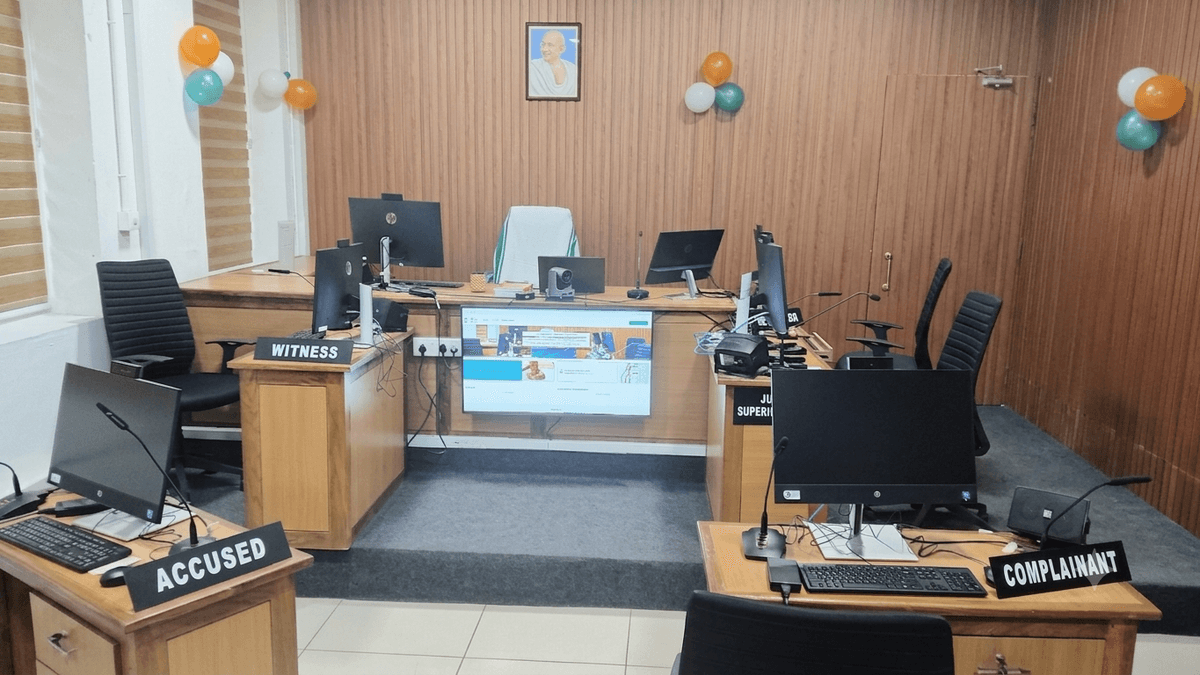
In the landscape of Indian jurisprudence, few issues clog the lower judiciary quite like Section 138 of the Negotiable Instruments (NI) Act. Cheque bounce cases make up over 10% of total criminal pendency nationwide, transforming a straightforward financial recovery mechanism into a long, drawn-out litigation nightmare.
However, a major shift began in late 2024 when the High Court of Kerala launched a pioneering solution: the 24x7 "ON Court" digital portal. First rolled out in the Kollam district, this Open and Networked (ON) platform is redefining summary trials. By replacing traditional, paperwork-heavy processes with a modern, asynchronous ecosystem, Kerala is demonstrating how Phase III of India's E-Courts Project can function in practice.
The Bottleneck: Why Section 138 Needed a Digital Overhaul
By law, a cheque bounce case is intended to be a summary trial—a streamlined legal track meant to resolve disputes quickly. Yet, a typical Section 138 sequence involves strict, unforgiving timelines that easily break down under manual management:
The cheque must be presented within its validity window.
A statutory demand notice must be issued within 30 days of receiving the bank's return memo.
The drawer receives a strict 15-day payment window upon receiving the notice.
If payment fails, a formal criminal complaint must be filed within the next 30 days.
In a traditional courtroom, keeping up with these tight windows means dealing with endless physical filings, manual error corrections, delays in sending physical summonses (RPAD), and frequent court visits just to get a signature or clear a technical checklist.
Enter Kerala's 24x7 "ON Court" Portal
The 24x7 ON Court portal converts this date-sensitive litigation track into an entirely automated digital workflow. Accessible anytime and from anywhere, the system offers an optimized experience for every person involved in the legal process.
1. For Litigants: Access and Transparency
The platform removes the need to constantly visit law offices just to sign papers or check dates.
● Real-Time SMS Alerts: Litigants receive proactive text messages updating them on the case's progress, due payments, or actions required.
● Unique Client Logins: Individuals can log in to view their entire case file, check amounts paid, track summons delivery status, and view court orders instantly.
2. For Advocates: Streamlined Digital Filing
Lawyers can handle cases smoothly without standard physical constraints:
● Digitally Native E-Filing: System-assisted rules check documentation requirements (such as matching the dishonored cheque, bank memo, legal notice, and postal tracking receipts) before submission, cutting down on early procedural errors.
● Integrated E-Payments: Court fees, stamps, and handling charges are paid entirely online through the platform.
3. For Judges and Court Staff: Smarter Workflow Management
The platform cuts through administrative backlogs:
● Asynchronous Scheduling & Virtual Hearings: Judges can review cases digitally, and lawyers or litigants can join live hearings via an integrated "Join Hearing" tool directly on the dashboard.
● Bulk Digital Signatures: Judges can use pre-defined templates to draft orders and sign them securely in bulk, removing common clerical delays.
● Automated Summons Tracking: Court staff no longer need to type out repetitive data. Summonses are auto-generated and tracked across multiple digital and physical channels seamlessly.
Why "ON Court" is a Game Changer for Legal SEO and the Public
As Kerala continues to lead the nation in digital literacy, online searches for terms like "how to track a cheque bounce case in Kerala," "Section 138 e-filing guidelines," and "Kollam 24x7 digital court" have scaled rapidly.
The ON Court portal directly addresses these user needs by hosting a clear Support and Video Tutorial hub right on its website. This helps both lawyers and everyday citizens understand the necessary documentation—from identity proofs to postal acknowledgments—needed to file a successful complaint or apply for system-generated bail bonds.
Conclusion: The Blueprint for Modern Indian Courts
The digital evolution of summary trials in Kerala is more than just a technological upgrade; it is a fundamental shift in how justice is delivered. By turning a traditionally slow prosecution track into a fast, transparent digital platform, the 24x7 ON Court portal shows how automation can ease the burden on our judiciary.
As this model expands beyond its initial police jurisdictions and districts, it offers a proven blueprint for the rest of India to resolve minor financial disputes efficiently, one digital file at a time.
Overview
Understanding your legal rights is the first step toward resolution. This guide is structured for readability, SEO performance, and long session engagement.
Legal Framework
Indian law provides specific remedies and procedures. Consult a verified lawyer for case-specific advice.
FAQ
When should I consult a lawyer? Early consultation often improves outcomes significantly.